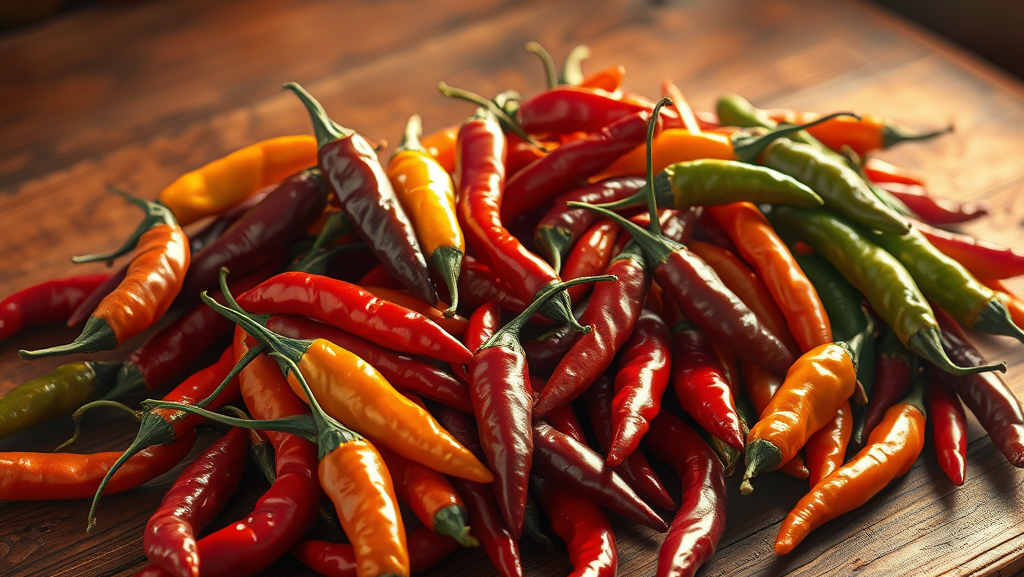
Pav Bhaji is one of the most popular Indian dishes today, but the true marvel is how recent the dish is. Every vegetable in Pav Bhaji is a gift of colonization, introduced to India either by the Portuguese or the British in just the past 150 years. So, it is worth thinking about what we ate before colonization, isn’t it?
Most vegetables urban Indians eat today – potato, cauliflower, tomato, cabbage, chilies, cabbage, french beans, carrot, etc. were all introduced by the colonizers to India, principally either the British or the Portuguese. Their widespread cultivation in India began only in the past 150 years.
This could be a very difficult question to answer since food history is usually a very complicated thing to study. But one way to discover and appreciate what we ate in the past, before the colonizers arrived from Europe is to look for the foods that are part of our rituals from the time of our ancestors, especially the food that we today make for our ancestors. While archeologists, culinary anthropologists, and food historians have their ways, there are some simple ways for us laypeople to find some answers. Some dishes are still cooked in very old temples using centuries-old recipes. It would also help to look at the food consumed by the poor in the remotest villages where the older practices of eating would have a greater probability of having survived. A lot of these recipes have remained relatively unchanged over time.
But, take this with a pinch of salt, since before the advent of trains, planes, or any vehicles, all food that was consumed was extremely hyper-local. Owing to this, there would be significant variation every few kilometers.
Given the paucity of documentary evidence, considering we usually didn’t write things down in general, it can be challenging to get an accurate answer to what we ate before being colonized.
For instance, in my family, once a year we make a special meal for our ancestors which includes raita with grated coconut, a payasam with moong dal which is very local to Tamil Nadu, sweet and sour chutney with mango, a lime and ginger pickle, some raw plantain and bitter gourd fritters, banana stem and sesame rounds, khoya and milk vada, a chutney made using curry leaves, and sambar that does not have any tomatoes or chilies!
So, the food is made from all gourds, colocasia, yams, every part of the banana plant, and coconut, but no carrots, tomatoes, chilies, or beans!
Interestingly, all of this food was spiced with just turmeric, black pepper, and long pepper – the OG hot spice.
So, to understand more about what we ate before colonization, go talk to your grandparents and ask them what their grandparents ate!